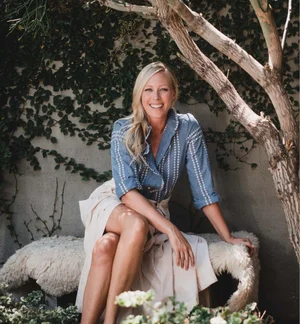
An honest reflection on healing shame, reclaiming self-worth, and honoring the younger self I once judged…
Shame has a quiet way of shaping the stories we tell ourselves about our past. It can soften our accomplishments, distort our memories, and convince us that certain chapters of our lives are better left unspoken. For many years, I carried that kind of shame around a significant part of my life, early modeling career and the young version of myself who lived through it.
As I approach my 45th birthday, I find myself returning to that chapter with a different lens. This is not just a story about modeling. It is a story about self-worth, self-judgment, resilience, and learning to honor my younger self with compassion instead of criticism.
Just days ago, I shared some of this shame with my mom. She was surprised… she had no idea. The truth is, I had never been fully honest about these feelings with anyone, including myself. And now, it feels like time to rewrite the narrative. To witness my younger self. To acknowledge her strength. And to say what I could not say before: I am proud of you.
Why I Felt Shame About This Chapter of My Life
Shame can be subtle. It seeps in quietly, shaping how we interpret our experiences. For me, it created a story that this chapter of my life was somehow “less than,” unrelatable, or not respectable.
I carried thoughts like:
This doesn’t matter.
People won’t understand this.
This isn’t something to be proud of.
But those thoughts were not coming from my present, grounded self. They were coming from a younger version of me who didn’t yet have the language, support, or perspective to process what she had lived through.
The Younger Self I Had Not Fully Honored
When I was 12, my body changed quickly. I grew from 5’7” to 5’10” in a short period of time. My braces came off, and suddenly I stood out in ways I didn’t know how to hold. I had once blended into the background, now I felt exposed.
I was deeply sensitive, emotional, and unsure of myself. I struggled in school and was later diagnosed with dyslexia, which helped me understand that I learned differently, not that I was unintelligent. Still, at the time, I often felt like I didn’t measure up.
I wasn’t athletic. I wasn’t competitive. I didn’t feel like I excelled in the traditional ways the world seemed to value.
But I was creative. I was perceptive. I felt deeply.
And I didn’t yet know how to see those qualities as strengths.
How Modeling Became Part of My Story
One day, while shopping with my mom, a modeling agent approached us. The idea felt completely foreign to me. I didn’t see myself as beautiful. I was hyper-aware of every perceived flaw, my skin, my features, my sensitivity.
But we said yes to exploring it.
What began as a curiosity turned into a 15-year career. From the age of 12 to 27, I modeled full-time. I worked in fashion shows, commercials, editorials, and catalogs. I lived in New York, Miami, and San Francisco. I built relationships and experienced opportunities I never could have imagined.
My mom played a foundational role in those early years. She instilled values of professionalism, respect, and integrity. Show up prepared. Be kind. Build real relationships. Those lessons have stayed with me far beyond that career.
Success, Pressure, and the Parts of Myself I Abandoned
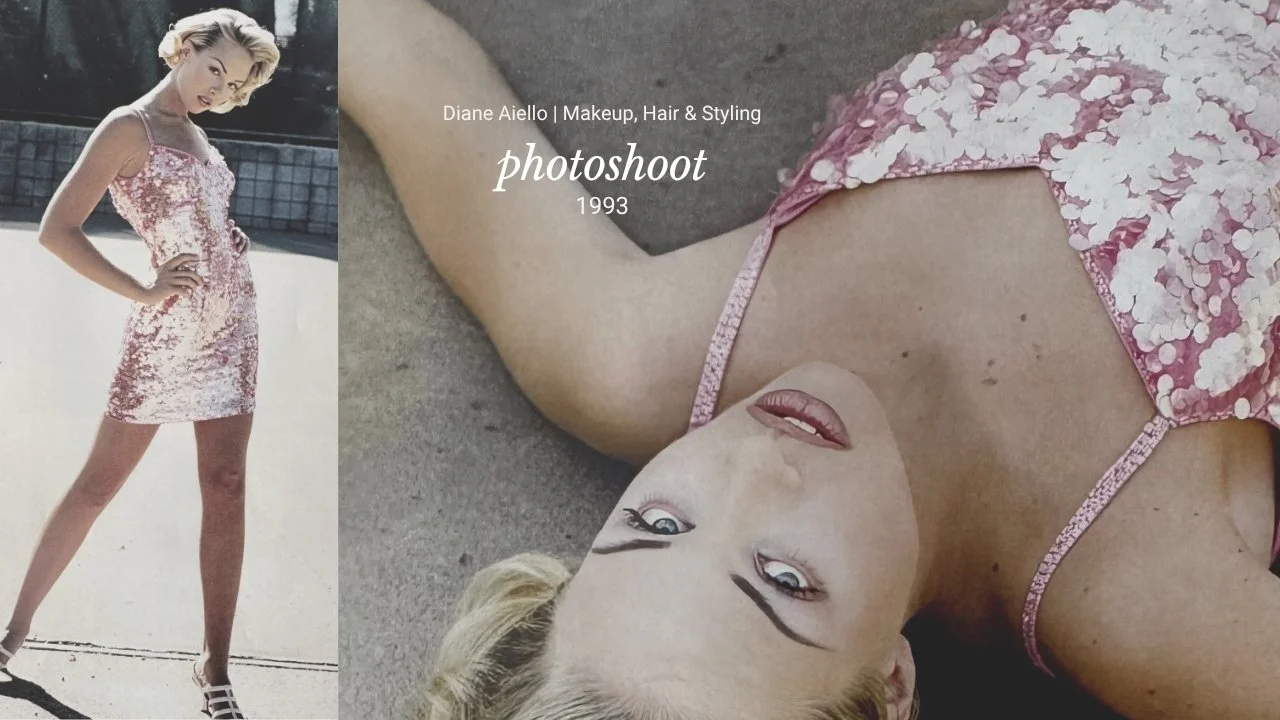
Stacey Leigh | 1993 1st year into my modeling career
From the outside, it may have looked like success. And in many ways, it was.
But internally, I was navigating an environment that required a level of emotional maturity I had not yet developed. The modeling industry is filled with rejection, constant evaluation, and pressure to meet specific physical standards.
I learned how to adapt quickly. To read a room. To anticipate expectations. To present a composed, professional version of myself—even when I felt uncertain or overwhelmed inside.
There were moments where I abandoned myself to meet external demands.
Moments where I shaped myself to fit what was required.
Moments where I disconnected from my own needs.
And those moments became part of the shame I carried forward.
The Experiences That Deepened My Shame
There are specific memories that stayed with me.
At 15, I was flown to Milan for fashion week, I was alone. The support that had been promised wasn’t there in the way I needed. I found myself in a new country, overwhelmed, underprepared, and afraid. After just two days, I called my mom and asked to come home. I felt like I had failed.
There were also moments where I made mistakes, like signing a contract I shouldn’t have, which led to harsh consequences from my agency. I felt embarrassed, naive, and ashamed.
And there was my size that never was small enough, changing my body in ways that didn’t feel healthy to meet industry standards. Those choices reflected a deeper pattern of self-abandonment.
Looking back now, I see something I couldn’t see then:
I was a young girl navigating complex environments without the emotional tools or support I truly needed.
What I Understand Now About Shame and Self-Worth
Recently, I had a conversation with a dear friend and mentor, Diane Aiello who reflected something back to me that deeply moved me, she spoke about my “inner Stacey” and my “outer Stacey.”
In that moment, something clicked.
I realized how much of my younger life was spent building an external version of myself that could function, succeed, and be accepted… while internally, I was still learning how to feel safe, seen, and grounded.
The resilience I developed in that environment shaped me. It taught me to not fear failure. It taught me to keep showing up.
But it also came with a cost.
And now, I can hold both truths:
I was strong.
And I was still a young girl who needed support.
Honoring My Younger Self With Compassion
There is a profound shift that happens when we stop judging our past selves and begin to understand them.
Today, I can say to that younger version of me:
“You were doing the best you could.
Your feelings were valid.
You had every right to feel overwhelmed, uncertain, and afraid.”
This is what it means to re-parent yourself.
To meet your past with compassion instead of criticism.
Not to excuse everything.
Not to bypass accountability.
But to bring understanding where there was once judgment.

Reclaiming This Chapter of My Life
For years, I minimized this chapter. I questioned its value. I felt disconnected from it.
But now, I see it clearly.
That chapter gave me:
resilience
work ethic
emotional awareness
the ability to connect deeply with others
the foundation for my entrepreneurial path
I met incredible people. I built meaningful relationships. I learned lessons that continue to shape who I am today.
I am no longer ashamed of this part of my life.
I have chosen to take off the weight of that shame.
I honor it.
I claim it.
And I am proud.
A Reflection for You
Is there a part of your life that you’ve kept hidden?
A chapter that feels heavy with shame or self-judgment?
If so, I invite you to gently turn toward that part of yourself.
Not to fix it.
Not to rush past it.
But to acknowledge it.
To listen.
To validate.
To meet yourself with honesty and compassion.
There is power in allowing your story to be seen fully—not just the polished parts, but the real, human, imperfect ones.
That is where self-acceptance begins.
Self Inquiry
What does it mean to honor your younger self?
Honoring your younger self means acknowledging your past experiences with compassion instead of judgment. It is recognizing that you were doing the best you could with the awareness and tools you had at the time.How does shame affect self-worth?
Shame can create a distorted inner narrative that tells you parts of your story are unworthy or unacceptable. Over time, this can lead to self-doubt, disconnection, and difficulty trusting yourself.How can you begin to release shame?
Releasing shame begins with awareness and honesty. When you allow yourself to name the experience, validate your feelings, and see your past through a compassionate lens, you begin to loosen its hold.What is the connection between self-acceptance and healing?
Self-acceptance creates the space for healing. When you stop rejecting parts of yourself, you can begin to integrate them, understand them, and move forward with greater wholeness.How do you start rebuilding self-worth?
Rebuilding self-worth starts with small acts of self-trust—listening to yourself, honoring your needs, and speaking to yourself with kindness. Over time, these choices create a more grounded and authentic relationship with yourself.
To you, the reader: thank you for being here. Whether you are navigating your own season of reflection or simply holding space for these words, your presence is felt and deeply valued. We often carry our stories in silence, but there is a collective healing that happens when we choose to witness one another’s humanity.
May you find the courage to meet your own "Chapter One" with the same tenderness and grace you have offered me today. You are not alone on this journey inward.
With love and light,
Stacey